
A bottleneck calculator is a starting point—not the final answer—but it provides incredibly helpful guidance.
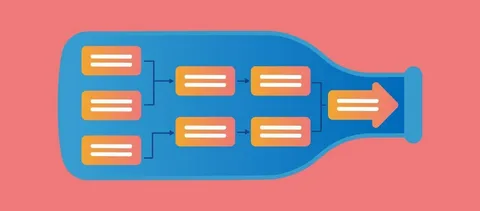
How a Bottleneck Rechner Can Help You Build the Perfect PC
Introduction:
Building or upgrading a computer has become increasingly popular as more people dive into gaming, video editing, streaming, and high-performance computing. Yet many users face one common challenge: understanding whether their components work well together. This is where a bottleneck rechner becomes an essential tool. The term, widely used in German-speaking tech communities, refers to a “bottleneck calculator”—a system that helps identify performance limitations in a PC build. Whether you're a beginner or an experienced tech enthusiast, understanding how a bottleneck rechner works can save time, money, and frustration.
What Exactly Is a Bottleneck Rechner?
A bottleneck rechner is an online calculator or software that analyzes your PC components—typically the CPU and GPU—and determines whether one part will significantly slow down the other. In a computer system, a bottleneck occurs when one component is unable to keep up with the speed or workload of another. For example, pairing a high-end graphics card with a very old processor often results in reduced performance because the CPU cannot process data fast enough to feed the GPU.
The purpose of a bottleneck rechner is to help users design balanced PC builds. By entering your processor, graphics card, RAM, and sometimes storage type, the calculator can estimate how efficiently these components will work together.
Why Bottlenecks Happen in PC Systems
To understand why a bottleneck rechner is so valuable, you need to know what causes bottlenecks. A bottleneck usually occurs when:
-
The CPU is weaker than the GPU, causing slow frame rendering in games.
-
The GPU is too slow for the CPU, which is less common but still possible in certain workloads.
-
RAM speed or capacity is insufficient, limiting data processing.
-
Old motherboards restrict performance, especially if paired with new high-speed components.
-
Storage devices (HDD vs SSD) affect loading times and data transfer rates.
A well-balanced PC build ensures that no single component severely limits another. Using a bottleneck rechner makes balancing these elements much easier.
How a Bottleneck Rechner Works
Most bottleneck rechner tools operate through database comparisons and performance modeling. You simply select your CPU and GPU from a list, input details such as RAM amount, and press calculate. Within seconds, the tool provides information like:
-
Estimated percentage of bottleneck
-
Whether the CPU or GPU is the limiting factor
-
Suggested upgrades
-
Expected performance in gaming or productivity tasks
While the results are estimates, a good bottleneck rechner can give you a reliable idea of how well your PC will perform before you spend money on new parts.
Why Gamers Love Using a Bottleneck Rechner
Gamers rely heavily on their systems working efficiently. Pairing the right components ensures smoother gameplay, higher frame rates, and better graphics performance. A bottleneck rechner helps gamers avoid common mistakes, such as:
-
Buying a powerful GPU that the CPU cannot support
-
Upgrading only one part without understanding the overall system impact
-
Overestimating performance based on marketing claims instead of real compatibility
By using a bottleneck rechner, gamers can ensure that every dollar spent goes toward a system that performs well and lasts longer.
See more: bottleneck
Benefits of Using a Bottleneck Rechner
Using a bottleneck rechner offers several advantages:
1. Saves Money
Instead of buying the most expensive hardware, you can choose components that complement each other and avoid unnecessary spending.
2. Simplifies PC Building
Even beginners can understand how PC parts interact and make informed decisions.
3. Prevents Performance Issues
By identifying potential conflicts early, you avoid lag, stuttering, frame drops, and other performance problems.
4. Offers Smart Upgrade Suggestions
A bottleneck rechner often recommends which part to upgrade first, helping you plan future improvements.
Limitations of a Bottleneck Rechner
While a bottleneck rechner is extremely helpful, it is not perfect. Some limitations include:
-
It cannot predict real-world performance with 100% accuracy
-
Results may vary depending on the software, game, or workload
-
Advanced users may prefer manual performance testing
Still, a bottleneck rechner remains one of the most convenient tools for initial planning.
How to Get the Most from Your Bottleneck Rechner Results
To maximize the usefulness of a bottleneck rechner, consider these tips:
-
Compare results from multiple calculators
-
Research benchmarks for your specific components
-
Consider the types of games or applications you use
-
Ensure your power supply, cooling, and motherboard are also compatible
Final Thoughts
Building a custom PC is an exciting project, but choosing compatible components is crucial. A bottleneck rechner makes the process easier by identifying weak points in your setup and helping you find the perfect balance between performance and price. Whether you're building a new gaming rig, upgrading a work PC, or optimizing a video-editing machine, a bottleneck rechner ensures that your system runs smoothly and efficiently. With the right tools and a balanced approach, you can create a PC that offers exceptional performance for years to come.
See more blogs: Visit Here

 Arabic
 French
 Spanish
 Portuguese
 Deutsch
 Turkish
 Dutch
Dutch
 Italiano
 Russian
 Romaian
 Portuguese (Brazil)
 Greek
Greek