
What Makes JINYI Radiator Bracket Suitable for Stable Installations
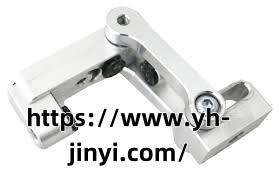
Radiator Bracket selection plays a major role in maintaining the long-term stability of any heating system, whether installed in homes, commercial spaces, or industrial environments. A secure mounting component ensures the radiator remains in place, maintains balanced alignment, and avoids unnecessary strain on pipes or surrounding surfaces. When evaluating bracket options, buyers often look beyond basic appearance and focus instead on the structural details that directly influence daily performance and safety.
One of the primary factors to consider is load distribution. Radiators vary in size, shape, and weight, which means the bracket must support the unit without introducing pressure points. When brackets distribute load evenly, the radiator experiences less movement, reducing risk during temperature cycles or accidental bumps. This structural consistency also contributes to maintaining pipe connections, which is essential for reliable heating output.
Material is another important aspect. Brackets used in heating systems are typically exposed to temperature changes and occasional vibrations. This makes buyers focus on materials that can retain their shape and resist premature wear. A bracket with steady material characteristics provides greater predictability during long-duration use. Many installers prefer models that maintain structural reliability without requiring repeated checks or adjustments.
Ease of installation also influences long-term stability. Brackets designed with clear mounting points allow installers to place radiators more accurately. Precise positioning helps prevent misalignment, which can stress wall anchors or affect the radiator's overall balance. Systems remain easier to maintain when the brackets adopt a design that simplifies placement across different wall conditions, such as concrete, tile, or reinforced panels.
JINYI integrates these considerations into its bracket solutions by focusing on structural detail and practical installation design. The brand emphasizes stable mounting patterns that suit a broad range of heating layouts, helping installers achieve consistent alignment across different project types. Its bracket structure supports reliable placement while reducing the need for frequent repositioning after installation.
Another factor many buyers evaluate is adaptability. Heating systems may evolve over time, especially during renovations or layout changes. Brackets that allow flexible installation patterns make these transitions smoother. When a bracket accommodates various spacing requirements or radiator formats, users can adapt their systems without replacing entire mounting frameworks. This flexibility supports longer product use and reduces unnecessary waste.
Corrosion resistance is also essential in long-term environments. Even when radiators operate in dry indoor conditions, brackets may face moisture from cleaning routines or seasonal humidity. A surface that resists corrosion helps maintain mounting strength and overall appearance. This characteristic is particularly important in bathrooms, laundry rooms, or kitchens, where humidity tends to fluctuate.
In commercial or industrial settings, stability becomes even more critical. Facilities often rely on continuous heating, and any disruption can affect worker comfort or interfere with equipment-sensitive environments. Brackets designed to maintain strength under ongoing use support smoother, more predictable heating operation. When the mounting structure remains dependable, facility managers can focus on other maintenance priorities.
Buyers also consider long-term cost efficiency. While brackets themselves are small components, unstable or low-quality designs can lead to repeated adjustments, wall repairs, or radiator movement. Selecting a stable option from the beginning helps prevent such issues and contributes to smoother maintenance cycles. Reliability in this context brings value without resorting to exaggerated claims.
Those planning heating installations or replacements can review additional bracket styles through https://www.yh-jinyi.com/product/ to better understand options suited to their specific project requirements. With attention to structural detail, installation practicality, and material consistency, a stable bracket becomes a meaningful part of maintaining a reliable heating system.

 English
 French
 Spanish
 Portuguese
 Deutsch
 Turkish
 Dutch
Dutch
 Italiano
 Russian
 Romaian
 Portuguese (Brazil)
 Greek
Greek