
How Should Technicians Prepare Braided Aluminium For Reliable Compression Joints
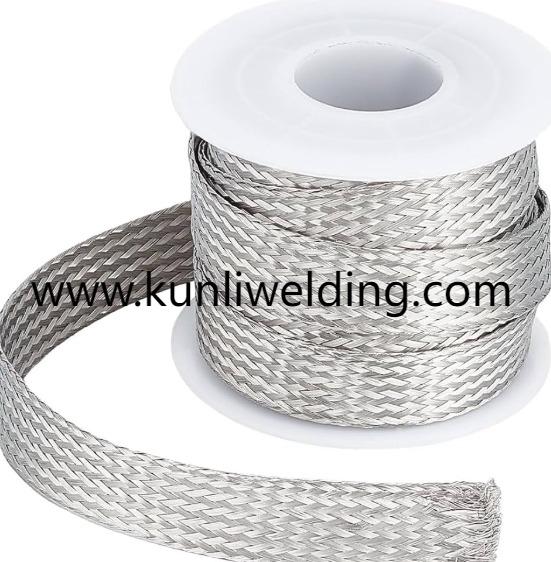
Safe termination and reliable connections are the foundation of any electrical installation, and when installers address braided aluminum conductors they need supplier guidance and practical technique. Aluminum Braided Wire Manufacturers often publish handling notes but field teams also require step by step practice that aligns with modern site constraints such as rapid deployment for electrification projects and stricter safety audits. Getting termination right reduces incident risk and keeps inspections predictable.
Start with material inspection. Before any termination begins examine the braided conductor for uniform braiding, absence of contamination and intact insulation where applicable. Surface films and debris change contact resistance and may lead to heating under load. Keep spools in sealed storage until use and confirm that the braid has not been abraded during handling or transport. These steps matter when crews work in varied environments from urban retrofit sites to coastal installations.
Select the correct termination hardware and tooling for aluminum braid. Compression type terminals and properly rated mechanical clamps are common choices. The termination style should match conductor cross section and the expected mechanical load. When clamps are specified verify that the manufacturer provides clear torque ranges or compression cycles. Using incorrect hardware or applying inconsistent torque invites uneven contact pressure, which can produce hotspots under electrical load.
Prepare the braid with controlled stripping and cleaning. Remove insulation carefully to avoid nicking strands. When braid must be spread to increase contact area use purpose built tools and avoid cutting individual strands. Clean the exposed metal with an approved non corrosive agent if handling or storage conditions introduced films. Good preparation improves the uniformity of contact and reduces the chance of localized heating once the circuit is live.
Apply anti oxidation treatment where specified and permitted by the installation standard. Some systems call for protective pastes that reduce aluminium surface re oxidation after stripping. When such products are used follow the supplier recommendations for compatible terminal materials and for any required curing or removal steps. Incorrect or over application of pastes can compromise clamp engagement or attract contaminants.
Torque and compression discipline are decisive. Use calibrated tools that log torque values where possible and follow the manufacturer recommended procedure for sequential tightening. For multi bolt terminations tighten in a star pattern to distribute pressure evenly. Record torque values for critical terminations as part of the acceptance paperwork so later audits can verify that mechanical criteria were met during installation.
Inspect and secure the mechanical assembly to control vibration and strain. On mobile platforms and industrial equipment vibration loosens connectors over time when clamps are not backed by retention devices or by correct bonding. Add locking washers or secondary restraints where appropriate and verify that the assembly does not create a pinch point on the braid that would abrade strands in service.
Thermal and load testing completes the acceptance process. Where circuits carry sustained currents or where redundancy is built into networks perform a thermal check under expected load conditions and include infrared scans in acceptance records. Early detection of abnormal heating avoids in service failures and gives teams a chance to adjust terminations or to replace hardware before a small issue becomes critical.
Documentation and traceability support longer term safety. Record the spool batch number the terminal part number and the torque values in the project log. When a performance question arises these records allow quality teams to trace any anomaly back to a production run or to a specific installation practice rather than applying broad containment measures that delay project progress.
Training and routine checks make termination practice resilient across crews. Include short hands on sessions that focus on stripping technique torque application and inspection cues. Quick field guides at the workbench and periodic spot checks reduce variability between teams and improve first time acceptance rates during busy maintenance windows.
Finally, coordinate with suppliers early when projects require specialty fittings or when braid cross sections fall outside common sizes. Early engagement speeds quotation and avoids last minute substitutions that can compromise joint integrity. When procurement, engineering and installation crews treat termination as an engineered activity the result is safer installations and fewer returns to the field. For product sourcing and detailed handling guidance consult the manufacturer product pages at www.kunliwelding.com .
 Romaian
 English
 Arabic
 French
 Spanish
 Portuguese
 Deutsch
 Turkish
 Dutch
Dutch
 Italiano
 Russian
 Portuguese (Brazil)
 Greek
Greek